
Blog
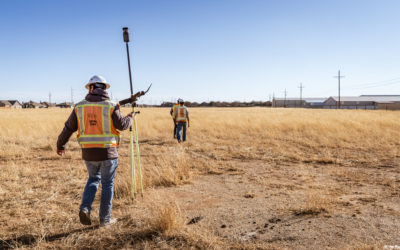
What Is the Difference Between a Boundary Survey, a Topographic Survey, and an ALTA/NSPS Land Title Survey?
Surveys are foundational to land development, property transactions, and design work. However, not all surveys serve the same purpose. Across Texas, Oklahoma, New Mexico, and Colorado, understanding the difference between a boundary survey, a topographic survey, and an ALTA/NSPS Land Title Survey helps property owners, developers, and lenders avoid costly misunderstandings.
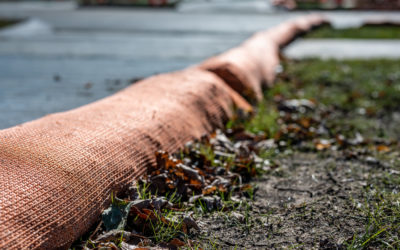
What Are Low-Impact Development (LID) Techniques for Stormwater Control?
As development continues to increase across Texas, Oklahoma, New Mexico, and Colorado, managing stormwater in tighter spaces has become more challenging. Traditional stormwater solutions like large detention ponds are not always practical, especially in urban or infill developments. That is where low-impact development, often referred to as LID stormwater design, plays an important role.

How Do Engineers Design Subdivisions to Reduce Runoff Risk?
Subdivision drainage is one of the most important factors in preventing localized flooding and long-term maintenance issues. When multiple lots are developed together, small drainage decisions on each property can add up quickly. Across Texas, Oklahoma, New Mexico, and Colorado, engineers rely on coordinated residential stormwater design to ensure water moves safely through neighborhoods without damaging homes or infrastructure.
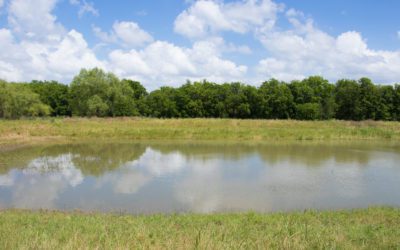
How Do Detention and Retention Ponds Manage Stormwater?
Stormwater management is about controlling how water moves across a site after development changes the landscape. Roads, rooftops, and parking areas prevent natural infiltration, increasing runoff volume and speed. Across Texas, Oklahoma, New Mexico, and Colorado, one...
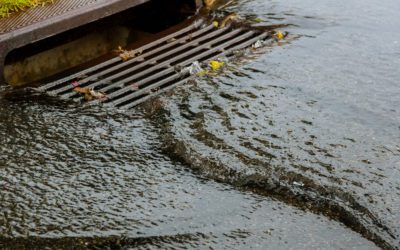
What Texas Regulations Guide Stormwater Management in New Projects?
Stormwater regulations can feel like paperwork, but they exist for a reason. Runoff from construction sites can carry sediment, debris, and pollutants into waterways, and uncontrolled runoff can create flooding and erosion that affects surrounding properties. Across Texas and the broader region, stormwater rules are a key part of responsible development.

What Are the Most Common Causes of Flooding in Developments?
Flooding on a developed site rarely comes from one single mistake. More often, it comes from a chain of decisions that seemed reasonable in isolation but created problems together. Across Texas, Oklahoma, New Mexico, and Colorado, the most common flooding triggers in developments are tied to urban runoff, subdivision drainage issues, and upstream changes that were not fully accounted for.
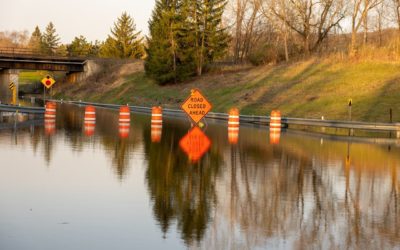
How Do You Ensure Flood Control and Stormwater Runoff Safety in Developments?
Stormwater is one of the first things a development has to get right, because it affects everything else. If runoff is not managed correctly, it can create flooding, erosion, property damage, and long-term maintenance issues that are difficult to unwind later. Across Texas, Oklahoma, New Mexico, and Colorado, the goal is the same: keep stormwater moving safely, predictably, and in compliance with local requirements.
What Role Does Drainage Design Play in Road and Pavement Success?
Roads do not usually fail all at once. Most road and pavement issues build slowly, season after season, until the damage becomes visible. Across Texas, Oklahoma, New Mexico, and Colorado, one of the most common root causes is simple: water was not managed correctly....
How Do Engineers Design Roads to Withstand Heavy Truck Traffic in Energy and Freight Corridors?
Heavy truck traffic is one of the biggest challenges in modern roadway design. Whether it’s freight routes in Oklahoma, oil and gas activity in Texas and New Mexico, agricultural corridors, or long-haul trucking across Colorado, engineers must design pavements that...
What Factors Make Road Design in Texas, Oklahoma, New Mexico, and Colorado Unique Compared to Other Regions?
Across Texas, Oklahoma, New Mexico, and parts of Colorado, heat and dryness shape the way roads are built more than almost anything else. High temperatures, UV exposure, low humidity, and long stretches of rural highway mean pavement materials need to be selected carefully.
How Soil Type Shapes Pavement Design Across Texas, Oklahoma, New Mexico, and Colorado
Before engineers choose pavement materials or calculate thickness, they start with the most important part of any roadway: the soil beneath it. Across Texas, Oklahoma, New Mexico, and Colorado, soil conditions can change dramatically from one project to the next — and those differences directly impact how roads are designed, built, and maintained.
What Materials Are Most Effective for Roads in Hot, Dry Climates?
Across Texas, Oklahoma, New Mexico, and parts of Colorado, heat and dryness shape the way roads are built more than almost anything else. High temperatures, UV exposure, low humidity, and long stretches of rural highway mean pavement materials must be carefully selected. The wrong mix or base material can lead to rutting, cracking, or early failure, especially in areas where temperatures regularly climb above 100 degrees.
How the Road Design and Pavement Design Process Shapes Safe, Durable Infrastructure
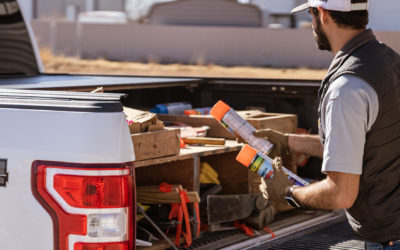
In regions like Texas, Oklahoma, New Mexico, and Colorado, where soil conditions, temperature swings, and traffic loads vary widely, roadway design and pavement engineering require a detailed, data-driven approach.
How Does a Groundwater Availability Certification (GAC) Impact a Subdivision Development?
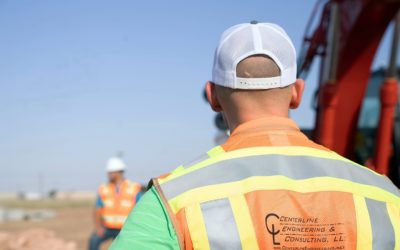
Before a single home is built, developers must prove that the project can sustain a long-term, reliable water supply. That’s where a Groundwater Availability Certification (GAC) comes in.
How Do Poor Soils Increase Risks or Cause Delays in Development?
Before any construction project begins, one of the biggest questions engineers must answer is simple: Can the ground support what’s being built? In regions like Texas, Oklahoma, and New Mexico, the answer isn’t always yes.
What Are the Most Common Methods of Soil Testing for Construction Projects?
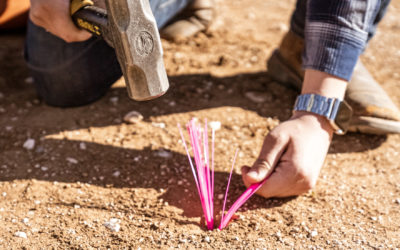
Before any structure takes shape, engineers need to understand what lies beneath the surface. Soil testing is one of the first and most critical steps in the construction process.

How Do Engineers Use Geotechnical Reports During Foundation Design?
A geotechnical report is more than a collection of lab results, it’s the bridge between soil science and structural design. Engineers use foundation design soil data to determine whether shallow foundations, such as slabs or spread footings, will perform adequately or if deeper solutions like piers or piles are necessary.
What Types of Soil Conditions Cause Problems in Texas Developments?
One of the biggest concerns for builders and developers is expansive clay in Texas. This type of soil swells when it becomes saturated with water and shrinks when it dries. That constant expansion and contraction places significant stress on foundations, causing cracks in slabs, walls, and pavement.
Why Is Geotechnical Soil Testing Required Before Construction Begins?
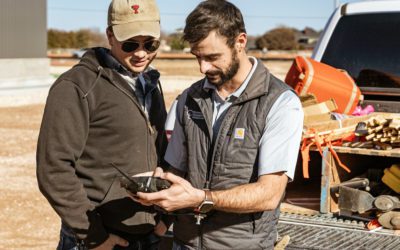
A site soil analysis reveals the soil’s load-bearing capacity, moisture levels, and potential movement. Without this critical data, builders risk foundation cracking, settlement, or drainage problems that are expensive to fix later.
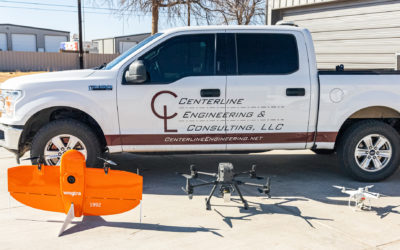
How Do Geoscience, Soil Testing, and Geotechnical Investigations Impact Development Projects?
For developers in Texas, starting with a geotechnical report is the best way to ensure the work above ground is supported by what lies beneath it.
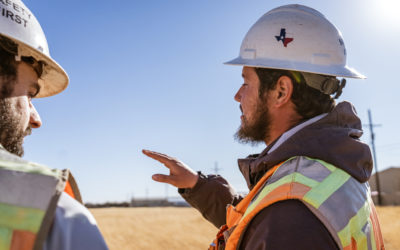
Groundwater Availability Certification: A Vital Step for Texas Developers
Our team at Centerline specializes in providing comprehensive Groundwater Availability Studies, ensuring that your land development projects are thriving in compliance with the latest state laws.
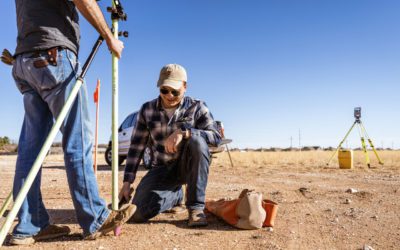
Unlocking Precision: Land Surveying in Plano
At Centerline, we take pride in providing top-notch land surveying services in Plano and across the metroplex. Our dedication to precision, innovation, and technical excellence sets us apart as the premier choice for all your land surveying needs. The Importance of...

Building a Better Future: The Best Civil Engineering in Plano, TX
Welcome to Centerline, your trusted partner for the best civil engineering in Plano, TX. Established in 2018, our Plano office is a testament to our rapid growth and commitment to serving the engineering needs of the local community and the broader metroplex. We...

Maximizing Project Efficiency with Centerline’s Construction Administration Services
When it comes to construction projects, having a reliable partner for Construction Administration is crucial. At Centerline, we take pride in offering top-notch services led by a team with over 75 years of combined experience.
Building Dreams: Construction Staking in Lubbock for the Adelpho Cellars Project
In the sprawling Texas high plains, Adelpho Cellars is a testament to the artistry of handcrafted wines. The local winery is expanding its horizons with the creation of The Vines at Adelphos Cellars, a stunning new event center and tasting room. Centerline is proud to...

Engineering in Dallas Metroplex: The Incredible 635 LBJ East Project
We are proud to showcase Centerline’s integral role in shaping the future of the Dallas Metroplex. Read our latest blog post about our contributions to the monumental 635 LBJ East Parkway Project.
Civil Engineering Lubbock, Texas: Expanding Community and Emergency Resources Across West Texas
Civil Engineering in Lubbock: Pioneering Lifesaving Solutions. Read our new blog post to discover how Centerline is expanding community resources, saving lives, and reshaping how emergency medical services are delivered across West Texas.

Revitalizing Towns Across Texas: The Eye Opening Sterling City Street Improvement Project
Sterling County is embarking on a significant endeavor to revitalize its infrastructure through the Sterling City Street Improvement Project. This initiative aims to rehabilitate and reconstruct approximately 17 miles of existing roadways within Sterling City limits.
Engineering in Lubbock: Crafting Tomorrow’s Infrastructure Today
Centerline delivers exceptional engineering solutions that empower businesses and communities across Texas. We’re the go-to Engineering in Lubbock and other business locations.
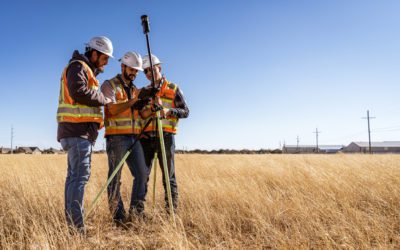
Building a Strong Foundation: Infrastructure Design in Lubbock
In this blog post, we delve into the vital aspects of infrastructure design in Lubbock, emphasizing the importance of soil testing and geological engineering in ensuring the city’s development stands the test of time.
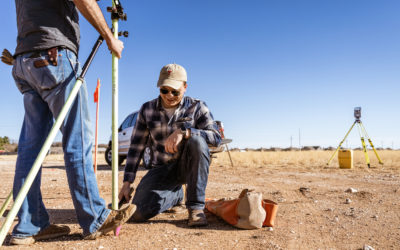
Optimizing Infrastructure Stability: The Importance of Soil Testing in Lubbock
In infrastructure design and Geotechnical and Environmental Engineering, every solid foundation begins with understanding the earth beneath our feet.
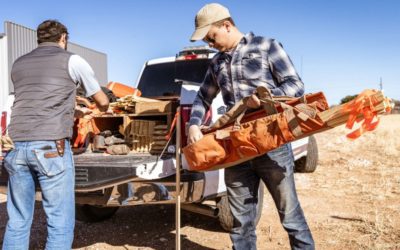
Understanding Earth’s Unique Challenges: What is the Purpose of Geotechnical and Environmental Engineering in Lubbock?
Geotechnical and Environmental Engineering, often called geological engineering or geotechnical engineering, is a multifaceted field that blends geology, physics, and engineering to understand the earth’s natural processes and utilize this knowledge for various reasons. But what exactly is the purpose of Geotechnical and Environmental Engineering in Lubbock, and why is it so crucial in today’s modern world?
About
Careers



Follow Centerline on Social Media